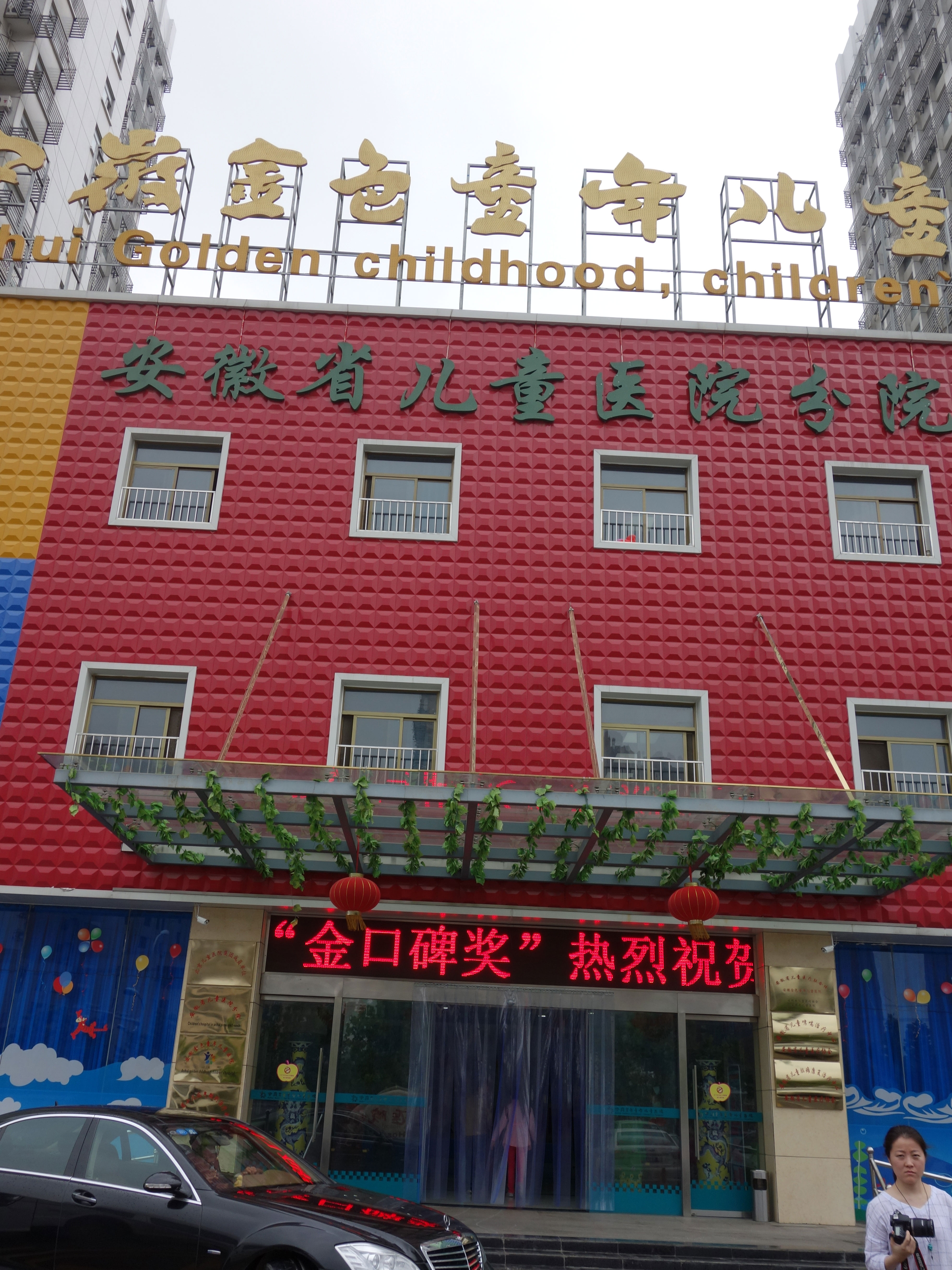
In May 2016, I was invited to present a paper at the 2016 China Hospital Build & Infrastructure Exhibition and Congress in Hefei, China. With a love of adventure, I am always enthusiastic about visiting a new place particularly when some else is paying my expenses. Unfortunately, it was a short trip since, given the timing, I was not able to extend this visit into a longer vacation.
Hefei is the capital and largest city of Anhui Province in the People's Republic of China. Although this is a city with 8 million people, most Chinese Americans that I know had never heard of it. An American businessman who I met during my return flight described Hefei a “back office” city. The “front office” cities like Shanghai and Beijing are used to conduct business with their international clients, with English speaking staff, international restaurants, and plenty of tourist sites, while the real work gets done in cities like Hefei.
I was accompanying during my stay by an assistant professor and two students from the Texas A&M School of Architecture all Chinese and fluent in English. I was greeted at the airport by a driver and one of the students who actually grew up in Hefei, the son of two Chinese academics. The drive from the airport took about 45 minutes. We drove along an eight-lane highway which appeared as if it just opened up to traffic — we seemed to be the only car on the road. My hotel was a high-rise building and I was assigned a room on the top floor.
1 / 7

Announcing the 17th China Hospital Construction Conference Hospital Build & Infrastructure China Exhibition & Congress
2 / 7

Inside the conference hall
3 / 7
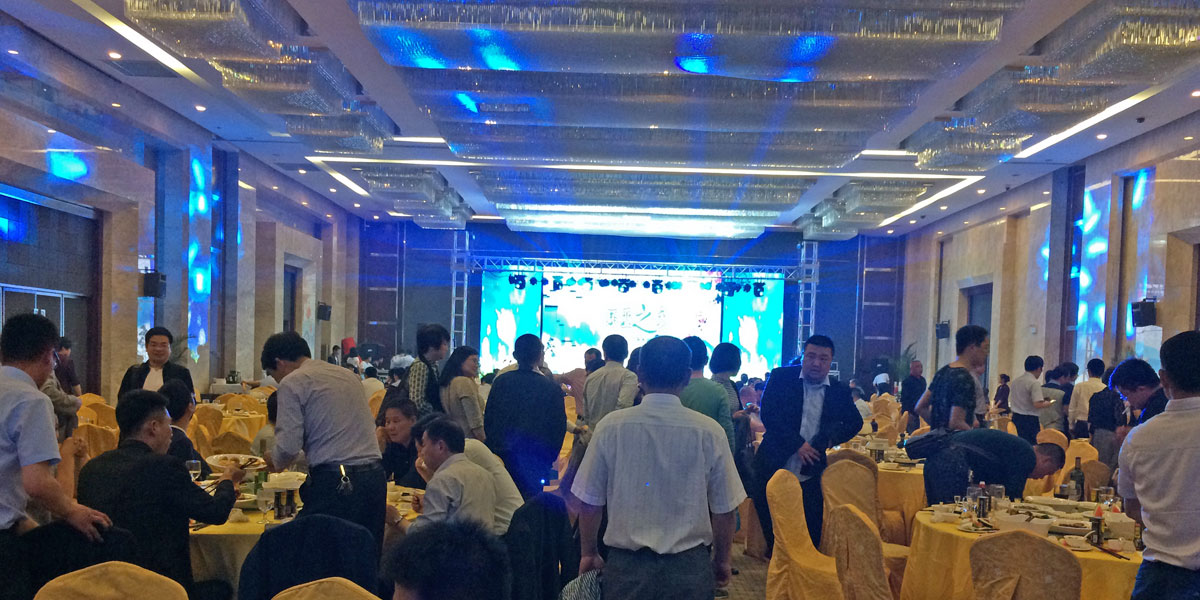
An evening reception and dinner
4 / 7

Eating dinner with my hosts from Texas A&M School of Architecture
5 / 7

My tour guides at one of the hospital visits
6 / 7

The business district around my hotel
7 / 7

Bleak high-rise building everywhere I look
❮
❯
While in Hefei, I visited three hospitals including the Second Affiliated Hospital of Anhui Medical University with 1,600 beds and a large pediatric hospital. I greatly appreciated the wonderful hospitality of everyone that I met including those who accompanied me on the hospital tours.
Postscript. Upon registering at the hotel, I was surprised that no one spoke any English and all written communication and signage was only in Chinese. Although I have visited Hong Kong several times and traveled extensively throughout Southeast Asia, there was always at least some (if not minimal) tourism infrastructure. In Hefei, however, I felt like I was visiting long-lost relatives in an obscure village. Even while attending the conference over several days — with around 5,000 attendees — I did not see any other Westerners.
Everywhere I looked during my stay in Hefei, I saw gray, lifeless, high-rise buildings rising up into an overcast sky, made even grayer by the smog and dirty windows in my hotel. There was not much else to see since any historic areas in the region appeared to be leveled to make way for more high-density buildings. If I had had the time to stop over in Shanghai on my way back to the U.S., I am sure that I would have had a very different impression of China.
Unfortunately, since the global pandemic and souring international relations between the U.S. and China, I probably will not go back to China anytime soon.